
Being Brave: Showcasing Her Culture
Lê Nguyên, Founder: Viet Delish Box
(In Vietnamese naming order, Lê is her family name.)
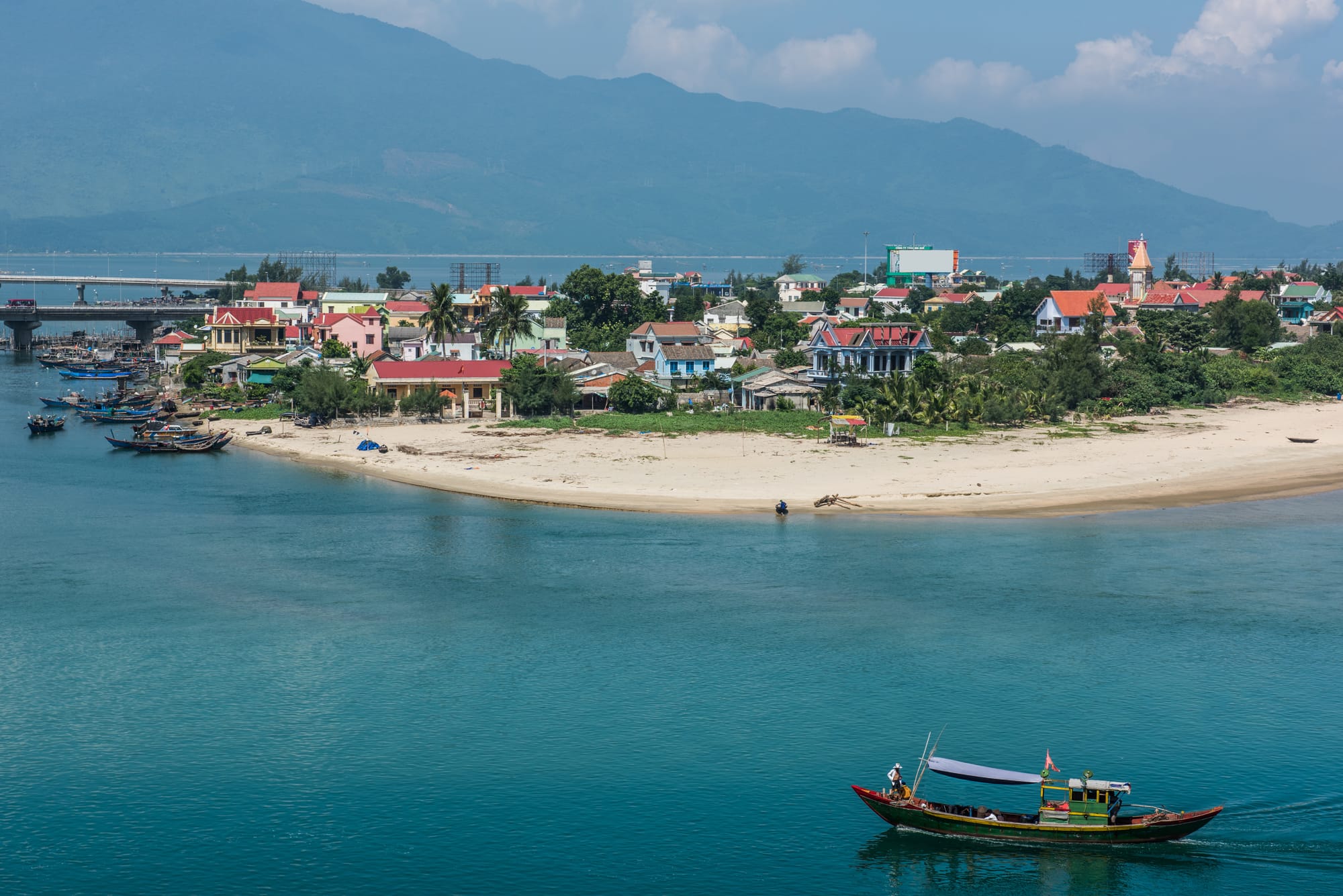
Nguyên was thirteen when she and her brother left Lăng Cô— a small coastal town tucked between mountains and sea in Central Việt Nam — and moved to Đà Nẵng for school. Lăng Cô didn't have enough students to build a school. So she left, without her parents.
The kids in Đà Nẵng couldn't understand her accent. She was a stranger in her own language.
Alone for the first time, she learned to cook out of necessity. She would call her mom and ask how to make a dish. Her mom would walk her through it over the phone. That's where it started.
She had already made a kind of peace with being somewhere new. Moving meant something. Moving meant opportunity.
She would do it again. And again. And again.
In 2023, she moved to Austin to follow a dream. Three years later, she launched Viet Delish Box out of Wingman's Kitchen — with her mother by her side. Mondays. 11 to 2.
That was the beginning.
...
Before Wingman's, Viet Delish Box existed as many community businesses do — cooking from home, selling directly to the Vietnamese community. Through word of mouth, group chats, someone telling a cousin who tells a friend.
But Nguyên wanted people outside the community to taste what she grew up eating. Central Vietnamese food. Her food.
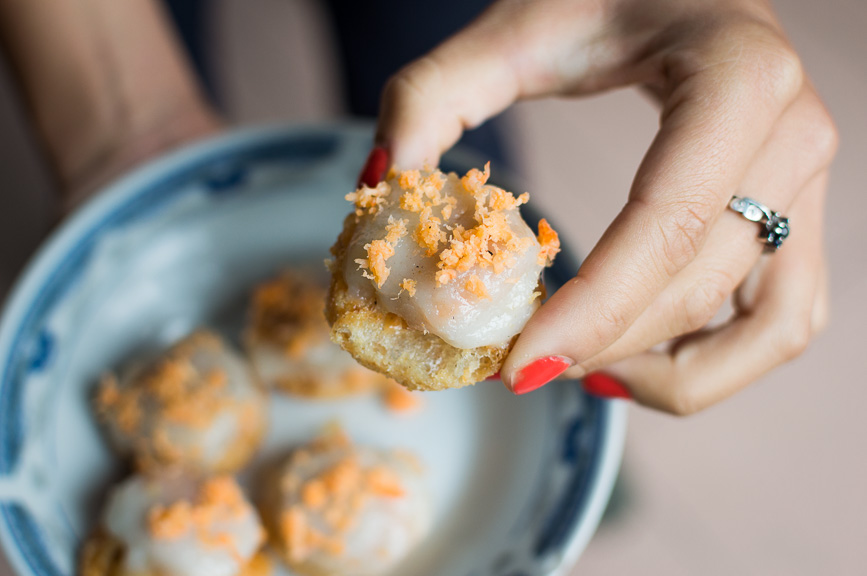
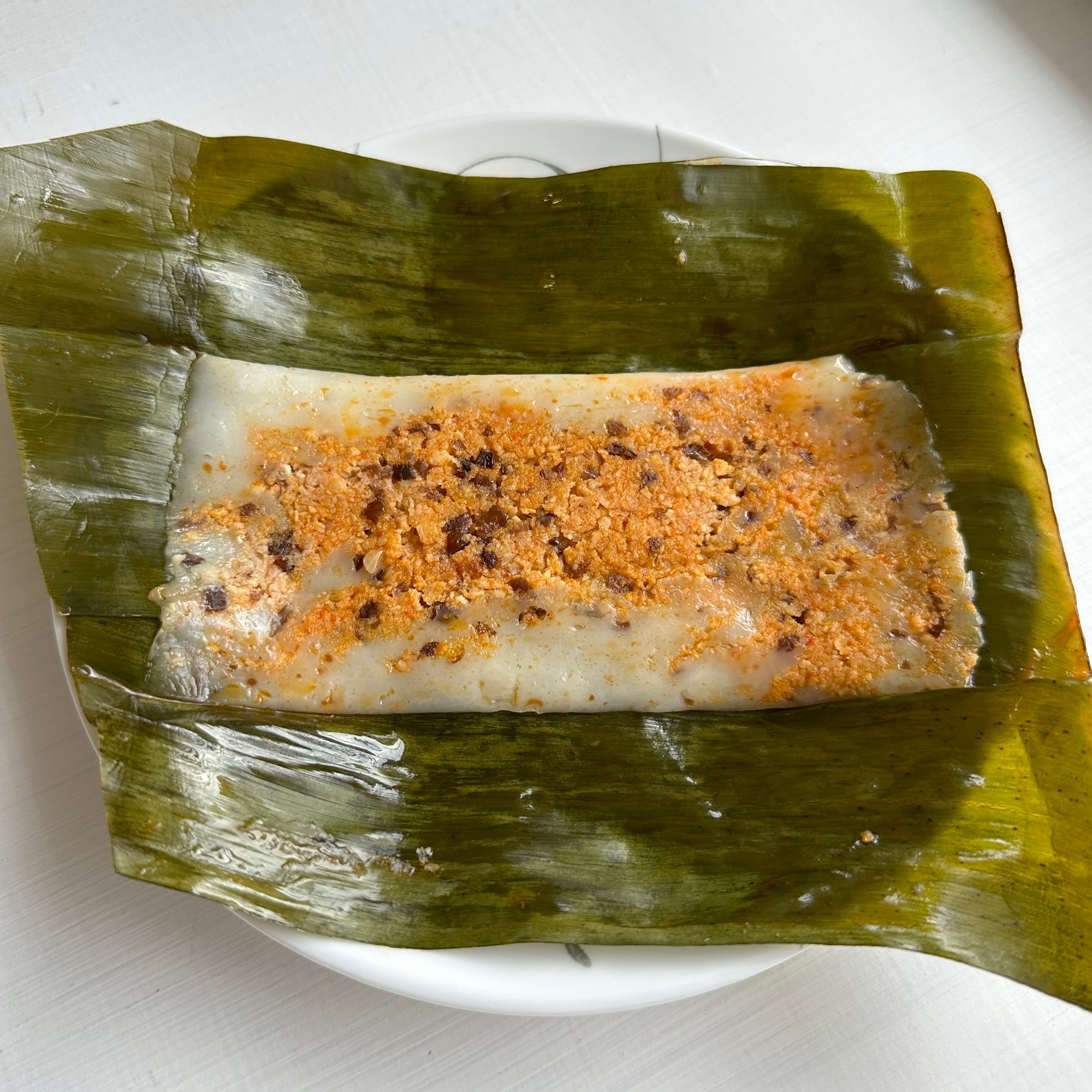
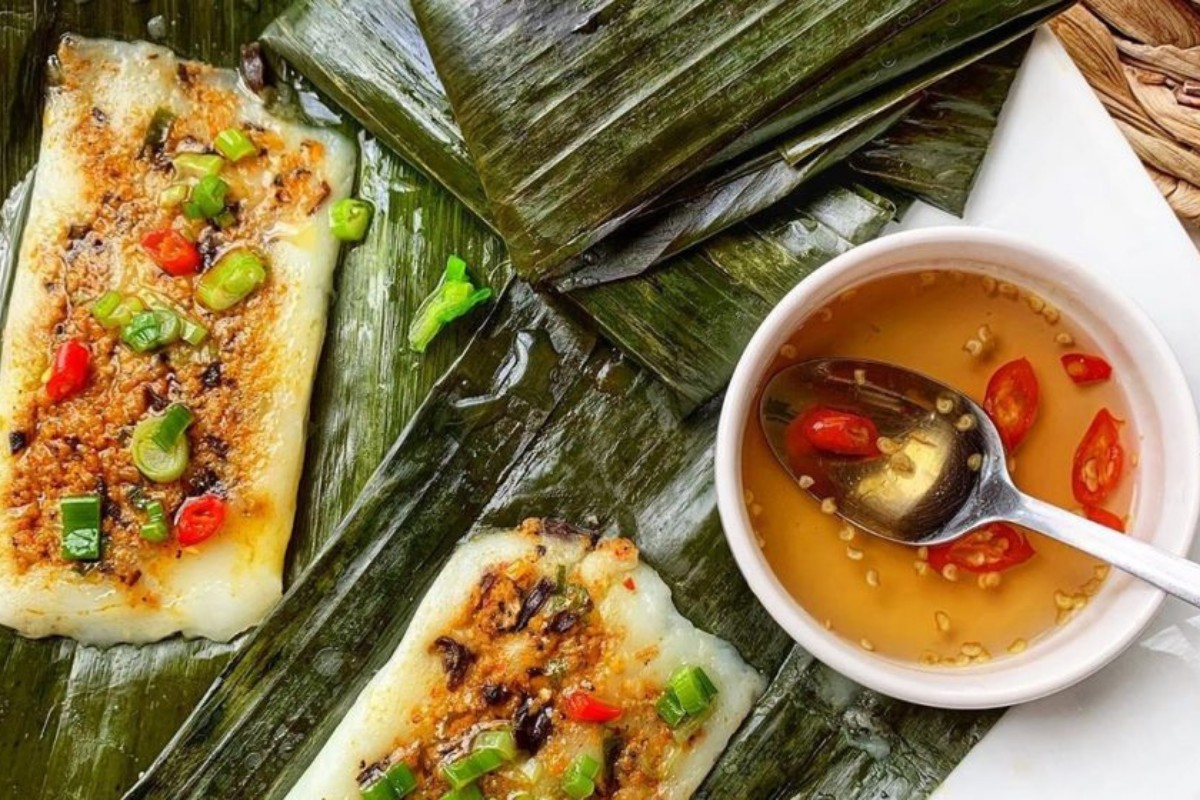
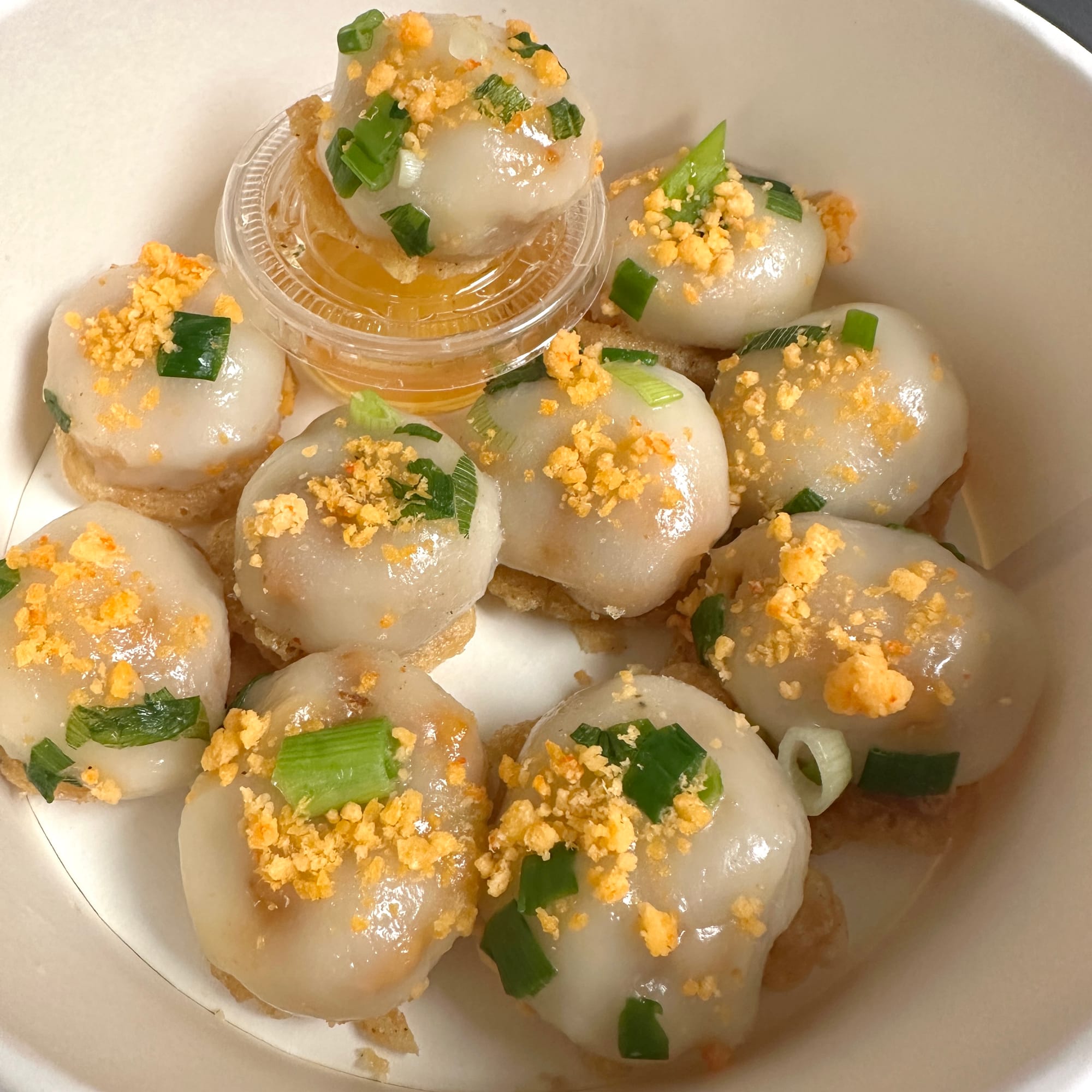
Bánh nậm. Bánh ít ram. Bánh lọc lá. Dishes wrapped in banana leaves. Built around time and care. Reflecting a geography, the narrow waist of Việt Nam, caught between mountains and water.
Most Vietnamese food in America is Southern Vietnamese. The majority who came after 1975 were from the South, and they brought their food with them. It became the face of Vietnamese cuisine here.
Food adapts. Even within Việt Nam, every region has its own version of the same dish. Every family cooks it differently. Flavors shift by geography, by memory, by what's available. That's not a loss — that's how food stays alive.
Nguyên understands this. She just happens to be from the Central region, cooking food that most people here haven't encountered yet. And there aren't many people in Austin doing what she does.
She started with bánh ít ram, Vietnamese sticky rice dumplings. She had originally wanted to lead with bún bò Huế, her hometown's signature dish, but knew the gap would be a barrier. The version most people know here is Southern-style. Hers is lighter. Lemongrass. A touch of fermented shrimp paste. A clearer broth. Different enough.
So she earned trust first. Bún bò Huế comes later.
...
She talks about Vietnamese food being treated as cheap food.
Not inexpensive. Cheap. In the way that signals it doesn't deserve more.
She saw it watching kitchen workers in California — how much time went into the labor, how little that was reflected in what people were willing to pay.
Vietnamese food takes time. Bún bò Huế and phở is not a quick dish. The broth requires hours. The labor cost is real.
Nguyên doesn't want to compete on price. She doesn't want to lower her worth to win a customer. She wants the dollar sign to reflect what the food actually costs to make — in quality, in taste, in knowledge passed down.
She thinks about this in terms bigger than her own business. There are two kinds of Vietnamese food businesses she observes: those run by younger, American-born Vietnamese entrepreneurs — comfortable with social media, with branding, with building traction — and those run by immigrants and refugees, often older, who open their doors and hope people will find them. No Instagram. No marketing budget. No one to run the accounts.
The second group is the one she worries about.
"Some businesses don't have anyone helping them with social media or word of mouth. How can we help them?"
...
When Nguyên thinks about what she is building, she comes back to the same image.
She thinks about the community she met in California. The ones who worked hard and were afraid to lose their jobs. The ones whose bosses knew they had no leverage and used that against them.
She wants to build something different. A place where people who just arrived, who don't know the language yet, who are still finding their footing — can work somewhere safe. Somewhere stable. Somewhere that treats their time like it's worth something.
Because she was that person. She was eighteen, in a new country, with cousins as her only real social network. She remembers what that felt like.
She has moved so many times. Lăng Cô to Đà Nẵng, Đà Nẵng to Florida, Florida to California, California to Texas. Being a stranger doesn't scare her the way it used to.
But she hasn't forgotten what the fear feels like.
And she hasn't forgotten that someone making you feel at home in a new place can change everything.
...
Nguyên moved first to pave the way.
For her brother. For her mother. And, it turns out, for something larger.
Viet Delish Box is a statement about what Vietnamese food is worth. About what Vietnamese labor is worth. About what happens when someone from a small town on the coast of Central Việt Nam decides to stop moving quietly and start moving with purpose.
She has been a stranger before. She knows how to arrive somewhere new and make it her own.
She is doing it again.
In Austin.
With her mother.
One bánh at a time.
Quick answers
Fast facts from this story
Who is featured in this story?
Lê Nguyên, founder of Viet Delish Box, is the Central Vietnamese cook and Austin food founder profiled in the story.
Why did Nguyên launch Viet Delish Box beyond her home kitchen?
Nguyên launched Viet Delish Box so people beyond her own community could experience the Central Vietnamese food she grew up eating.
What makes Viet Delish Box’s food distinct in Austin?
Viet Delish Box stands out because it centers Central Vietnamese dishes that many Austin diners have not encountered, rather than treating Vietnamese food as one broad category.
How did Viet Delish Box begin in Austin?
Viet Delish Box began after Nguyên moved to Austin and turned family food knowledge into a public business, launching from Wingman’s Kitchen with her mother beside her.