
Tháng Tư Đen. Black April.
By Phu Trinh
April 29, 2026
Half a century ago this month, Saigon fell. The Vietnam War ended. And for millions of Vietnamese, Laotian and Cambodian people, the life they had known ended too. Families split across oceans. Entire communities rebuilt in cities they hadn't heard of six months earlier. Houston. San Jose. New Orleans.
Scattered deliberately across the country. The U.S. government resettlement policy was designed to prevent ethnic enclaves from forming. Dispersed by design, they found each other anyway.
They came with almost nothing. And they built something anyway.
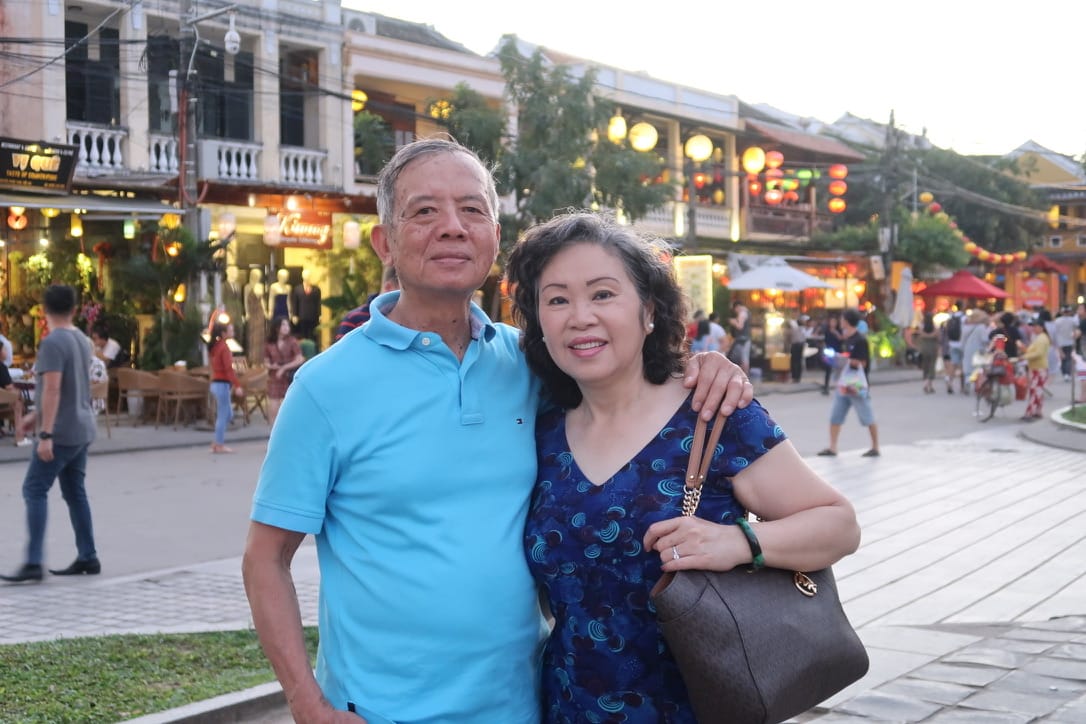
I'm writing this not as a historian. Not as an authority on what happened or what it meant. I'm writing it as someone born in Texas to parents who carried that crossing with them – who gave me bits and pieces of it over the years, never the full picture, because maybe the full picture was too much to hand down all at once.
...
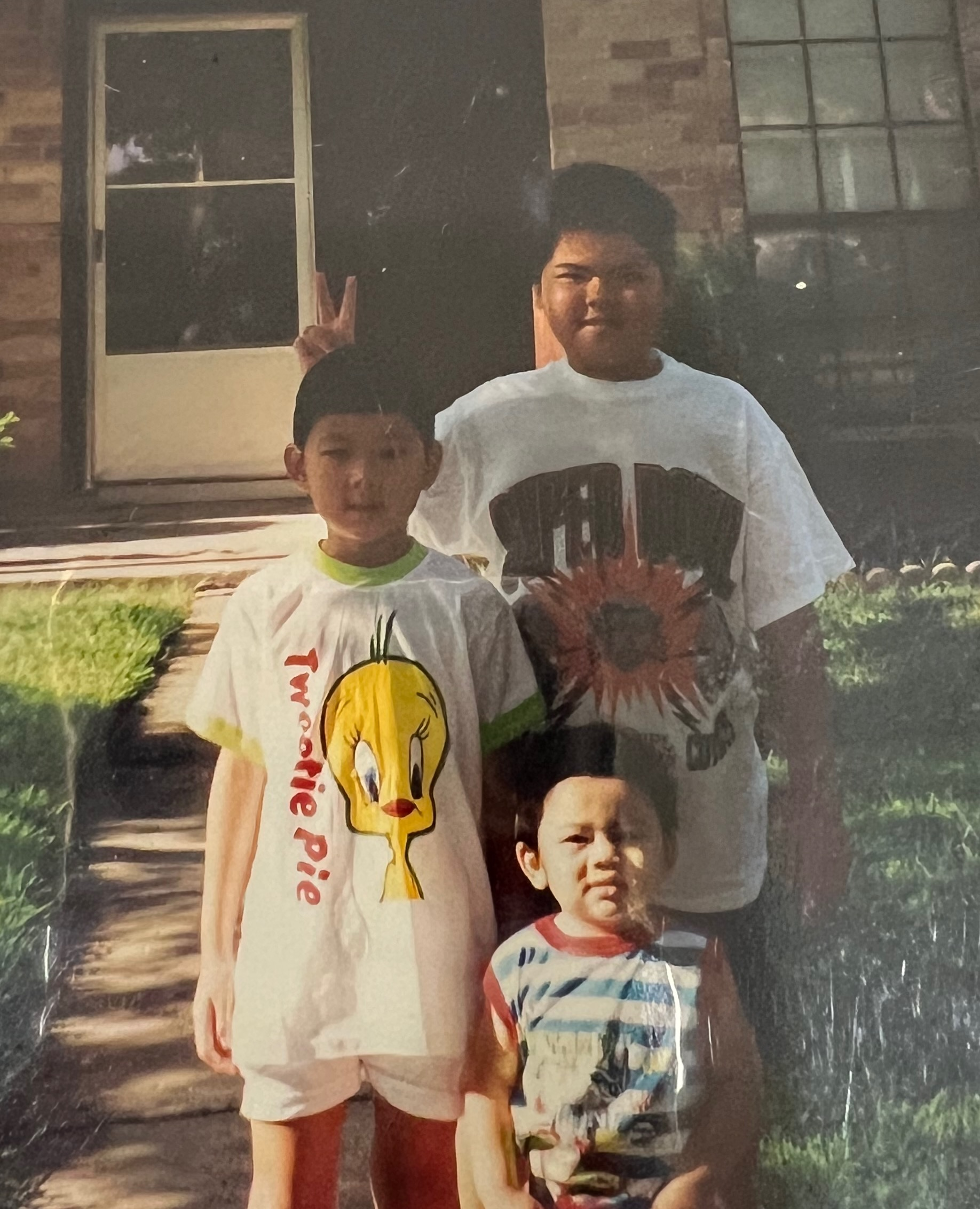
Born in Texas. Lived in Denver, then Seattle. Now Austin.
No one teaches you, growing up like that, how to navigate spaces where the power belongs to someone else. So you learn on your own. You adapt. You fit in. You assimilate – sometimes at the expense of the language your family speaks, the food on your dinner table, the stories that were never written down anywhere you could find them.
You don't even realize what you're doing until you look back years later. There's no roadmap for being the first. No blueprint. You move forward clumsily, and you figure it out as you go.
...
Here's something I've noticed: people love our food. They'll drive across town for phở, wait in line for bánh mì, photograph their bún bò Huế. And that's good – it means something is alive, something crossed the ocean and took root.
I remember joining a new team at work and sitting down for introductions. Before I could say a word, the director jumped in – eager, enthusiastic – to tell me how much she loves phở. My rebuttal? I love it too! Playing along to fit in.
That interaction stayed with me.
But loving our food is not the same as seeing our people.
There's a version of Vietnamese culture – of Asian culture broadly – that gets celebrated in America as aesthetic, as novelty. And there's another version that includes the trauma of war, the complexity of diaspora, the grief of a generation that lost everything and had to rebuild in a language they didn't speak.
We don't talk about the second version as much.
...
What do I feel on Black April? Confusion, mostly. Guilt. Distance.
I don't know the exact details of what my family went through. I get fragments. Bits and pieces from parents who are still figuring out how to tell it, or whether to tell it at all.
My dad once told me about eating beans in a reeducation camp. He doesn’t eat them anymore. That's the whole story – that's all he gave me. These fragments would surface briefly, then disappear just as quickly, slipping back under the surface of ordinary life.
There's a feeling I've heard from other Vietnamese Americans my age: I'm here because of something terrible, so should I feel grateful? Should I feel lucky? Am I allowed to grieve something I never directly experienced?
I don’t really know what to do or say during these moments.
What I do know is this: you don't have to understand everything to feel the ripples of war. We're living them now – in the gaps in our family stories, in the restaurants that open and close, in the organizations that fight for visibility, in the communities that are still figuring out how to hold all of it at once.
...
Fifty years is a long time. It's also not that long.
The question I keep coming back to isn't how do we move on from our history, our trauma – I'm not sure that's the right framing. The question is: what do we want to build next? How do we honor what came before without being frozen by it?
There are people doing the work right now, in Austin and beyond to explore that question.
- Đậm Coffee Bar – serving unapologetic Vietnamese coffee
- Gia Đình Goods – a brand honoring its roots
- Trúc Việt – creating infrastructure through language access
- Chúng Mình – holding the thread of history and language
They're people saying: this matters, and we're going to keep going.
...
Two pieces of literature that helped me navigate this:
A Man of Two Faces by Việt Thanh Nguyễn – a memoir that sits with the complexity of being Vietnamese American without trying to resolve it.
Sigh, Gone by Phúc Trần – another memoir, another way into what it means to carry a culture across an ocean into a country that wasn't built for you.
...
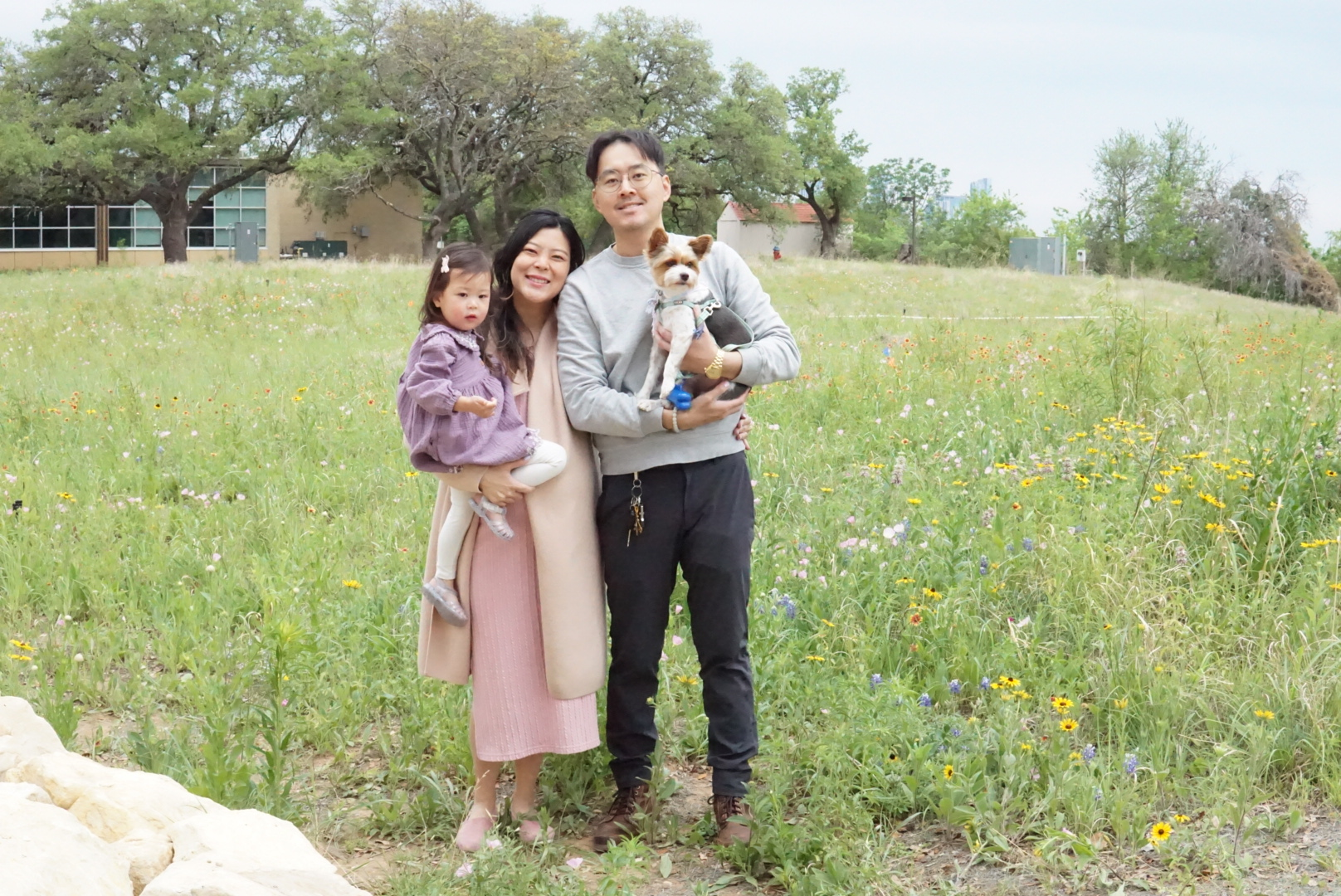
What do we do now?
Ask yourself questions. Sit with the ones you can't answer. Have a conversation with someone – a parent, a friend, a stranger at a community event – about their journey and what they carried.
In the age of AI and the internet, we can access more information than any generation before us. And somehow, we know less about each other, and ourselves, than ever. So let's start being confused together. Let's start connecting. We don't need all the answers. We don't need any of the answers.
We just need each other.
Quick answers
Fast facts from this story
Who wrote this reflection?
Phu Trinh wrote this reflection on Black April, memory, food, and the future of Vietnamese diasporic culture.
What does Black April mark in the essay?
Black April marks the fall of Saigon and the end of the Vietnam War, a rupture that changed life for millions of Vietnamese, Laotian, and Cambodian people.
Why does the essay say food is not enough?
The essay argues that food can open a door, but culture cannot be reduced to dishes, aesthetics, or novelty. Seeing the people also means facing history, grief, and responsibility.
What question does the essay leave readers with?
The essay leaves readers with a forward-looking question: how can the community honor what came before without being frozen by it?