
Carrying the Torch, Boldly

Bảo Anh, Founder: Đậm Coffee Bar
(In Vietnamese naming order, Bảo is his family name.)
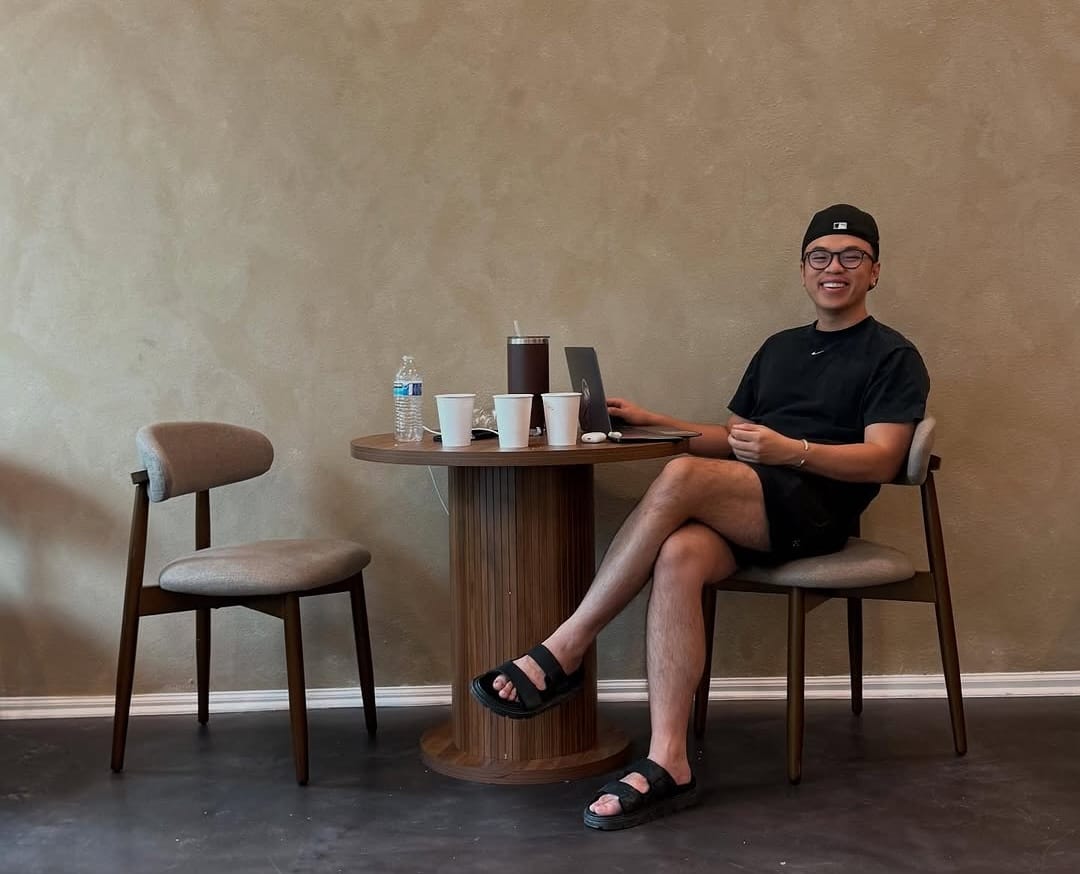
“You’re going to forget Việt Nam.”
Anh was eleven when he left Việt Nam in 2006.
His family came from Đà Lạt, a place known for its mountains, cool air, and coffee. In the days before he left, his family told him something that would stay with him:
It wasn’t said out of anger. It was said as an inevitability.
Hearing this, he made a promise to himself. He would not forget. Not the language. Not the food. Not the music. Not the way coffee was meant to taste.
Growing up in America meant learning how to exist between two worlds. Never fully American, never fully Vietnamese. Many don’t understand the pressure. The constant mental juggle of who you’re allowed to be.
So we learn to adapt. To assimilate. To move close to power in whatever ways we can. Survival becomes strategy. We code switch. We change our lunches, our accents, our stories. We decide what feels safe to show and what must be hidden.
Anh chose Đậm for the name of his coffee bar. This means Bold. Strong. The conviction to choose preservation of culture is it's own kind of strength.
When Anh made that promise to himself, he chose to carry that forward with purpose.
And that choice would shape what he built next.
...
You can tell a lot about a Vietnamese café by what happens on Saturday morning.
The uncles and aunties arrive early. They order a black coffee.
Anh says he gets nervous when this happens. There’s nowhere to hide.
Their opinion matters because they carry history. His father rose from wage worker to boss in Saigon. His stepfather fled by boat after the war. Like many of our parents, they endured loss and displacement so we could have something different — opportunity.
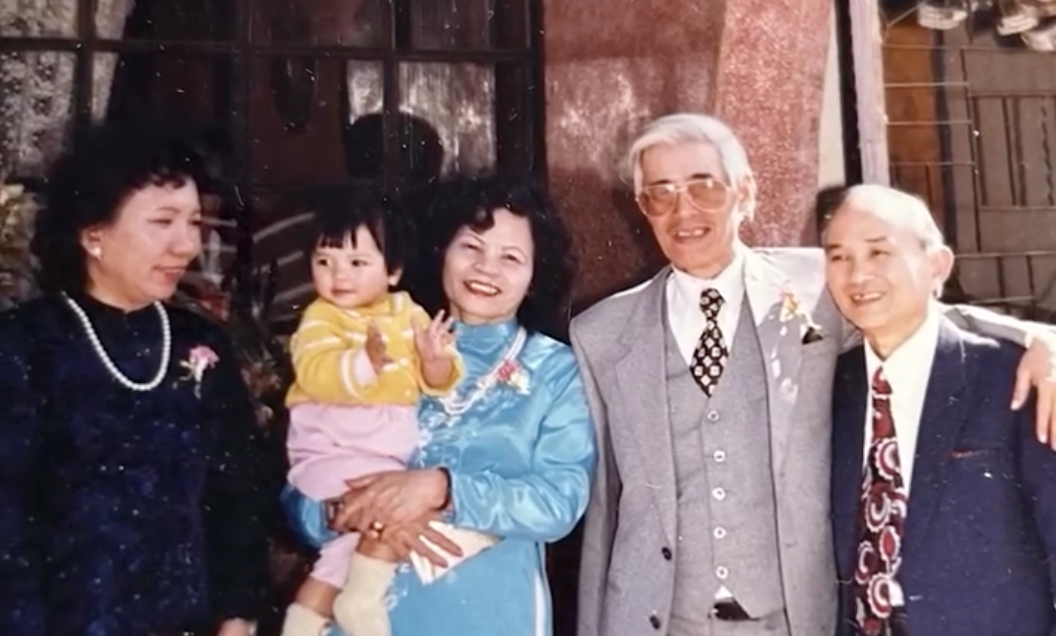
They arrived with little, often without knowing the language. They rebuilt from scratch in places that had never tasted nước mắm. They worked nail salons, kitchens, factories, any job they could get. They opened donut shops in California, phở restaurants in Texas, small grocery stores in strip malls.
The late 1970s saw anti-refugee protests in places like Seadrift, Texas. Vietnamese fishermen faced harassment and violence. More than fifty years after the Fall of Saigon, that shadow still lingers.
So that’s why when an elder takes a sip of his coffee and nods, that means everything.
...
Before Đậm, there were a lot of late nights.
Anh spent more than a decade in the service industry — running tables, working hotel shifts, closing down bars. He would get home at 2 or 3 in the morning, exhausted. Hospitality is hard, but you learn what keeps the lights on. These experiences gave him a crash course on business, discipline and resilience.
Across America, many Vietnamese restaurants have done the same. To survive, they adapt and compromise. Phở restaurants add orange chicken to the menu. Dishes use less nước mắm. Portions changed. Flavors change toward what feels safe and familiar to the people ordering.
Anh remembers working at a phở restaurant in Austin where this happened. He understood the business. He understood the fear.
But it still made him sad.
Somewhere between the late nights and the compromises, a question began to form:
What would it look like to stop conforming?
...
Vietnamese coffee is often misunderstood.
Vietnam produces 17-20% of the world’s entire coffee supply, second only to Brazil, and 90-95% of it’s coffee is Robusta (Food and Agriculture Organization, 2023). Much of Vietnam’s coffee is industrialized. Beans harvested quickly, over roasted, mixed with additives.
Efficient. Exportable. Profitable.
Vietnam is the largest robusta producer in the world, which is heavily used by Nescafé and other large brands. Most of it ends up in instant coffee, mass-market espresso blends, and canned drinks around the world. Vietnam became known for volume. Robusta, dismissed as inferior, is often treated as an additive to darken, sweeten, or mask.
In many ways, coffee mirrors the way Vietnamese people are treated. Burnt to a crisp. Ground to hell.
To study Vietnamese coffee and its long history, Anh spent weeks in Vietnam immersing himself in the coffee scene. Staging at a local café, meticulously studying how drinks were prepared, asking questions, observing. He talked with growers about harvesting. He learned how roasting enhances flavor instead of masking it. He paid attention to what locals actually drank.
He discovered a different story: intentional sourcing, careful roasting, complexity within robusta.
That became the foundation of Đậm.
After opening, Anh said there were lots of comments from his customers. Many had never tasted coffee prepared the way he was serving it. It was different. He started doubting himself. But instead of giving in, he returned to his roots, to the promise he made himself. He asked himself:
How would my family drink it?
...
When people talk about strong Asian-American communities, they mention California, Houston, Dallas, New York.
Austin rarely makes the list.
But weekend after weekend, the Vietnamese community shows up to Đậm. Anh admits he didn’t realize how many Vietnamese were building their lives here.
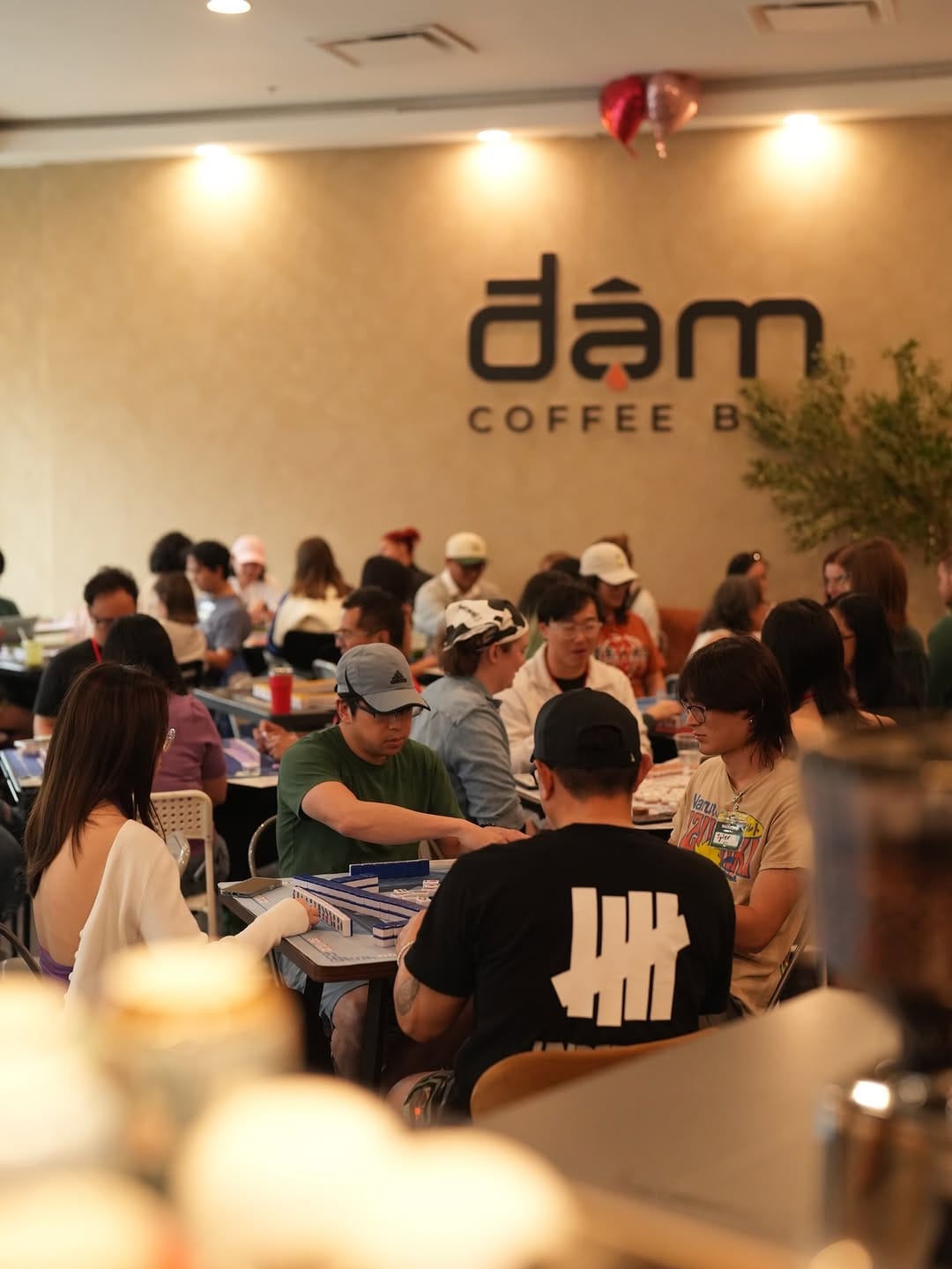
Anh sees the café as more than a coffee shop. He wants it to be a cultural hub — a place to gather, to host events, to build third space. Gia Đình Goods. Mahjong Mafia. More collaborations on the way. It is a reminder that we do not have to change ourselves to belong.
That same philosophy carries into his home. Anh speaks Vietnamese with his partner and family. When nieces and nephews ask for something in English, they’re asked to repeat it in Vietnamese. Not as punishment. As preservation.
And something is shifting beyond Đậm’s walls. Places in Austin are now serving Ốc. Restaurants not holding back on mắm ruốc. Restaurants like Pho Phong Lưu and Vua Bún Bò are serving their history and culture unapologetically. Dishes once changed now served how the Vietnamese community remembers it. Vietnamese culture, food, fashion, music, is now being accepted.
But as Anh puts it, “We’ve always been f*n cool.”
...
“You’re going to forget Việt Nam.”
He didn’t.
Anh's story is about heritage.
Bold.
Strong.
Unapologetic.
Đậm.